When the Tones Drop: The Real Story Behind McCallsburg's Volunteer Fire Department
The Call Nobody Sees Coming
It was a February night, cold enough to turn your breath to fog the second you stepped outside, when the tones dropped for a structure fire on the east side of town. Within minutes, headlights were cutting through the dark as volunteers rolled out of warm beds, pulled on gear, and made their way to the station.
No one called in sick. No one checked their schedule. They just came.
That's the McCallsburg Volunteer Fire Department in a nutshell — a group of ordinary people who've made an extraordinary commitment to show up, no matter what, for their neighbors. And while the rest of the town might sleep through those winter sirens, the story of what it takes to keep those trucks rolling deserves a much closer look.
Who Actually Does This?
Volunteer fire departments are the backbone of rural America. More than 65 percent of the country's firefighters are volunteers, and in small communities like McCallsburg, there's simply no alternative. A paid, full-time department isn't financially realistic for a town this size. The volunteers aren't a backup plan — they are the plan.
Right now, the McCallsburg department runs lean. Like most rural volunteer departments in Iowa, it depends on a core group of dedicated members who balance their regular jobs and family lives with the demands of emergency response. Some have been on the department for decades. Others are relative newcomers, drawn in by a sense of duty or a family tradition of service.
Chief among the challenges is recruitment. The same demographic shifts squeezing small towns across the Midwest — younger residents moving away, older volunteers aging out — make it harder every year to keep the roster full. Departments that once had 30 or 40 active members now operate with far fewer, which means the people who do show up carry a heavier load.
The Training Nobody Talks About
Here's something a lot of people don't realize: becoming a volunteer firefighter isn't just signing your name on a sheet and showing up to barbecues. It's a serious, time-intensive commitment that starts long before anyone ever pulls a hose.
New recruits in Iowa are required to complete Firefighter I certification, which involves hundreds of hours of classroom instruction and hands-on training. That's on top of regular department drills, equipment maintenance, and the ongoing certifications required to stay current. For someone working a full-time job and raising a family, carving out that time is a genuine sacrifice.
And the training doesn't stop at firefighting. Many volunteers are also certified as emergency medical first responders, because in a small town, the fire truck often arrives before the ambulance. When someone collapses at a farmstead or a child stops breathing, these are the people who are there first.
"Most people think we just fight fires," says one longtime department member who's served for over fifteen years. "But we do vehicle accidents, medical calls, water rescues, farm equipment incidents — you name it. You have to be ready for anything."
The Funding Reality
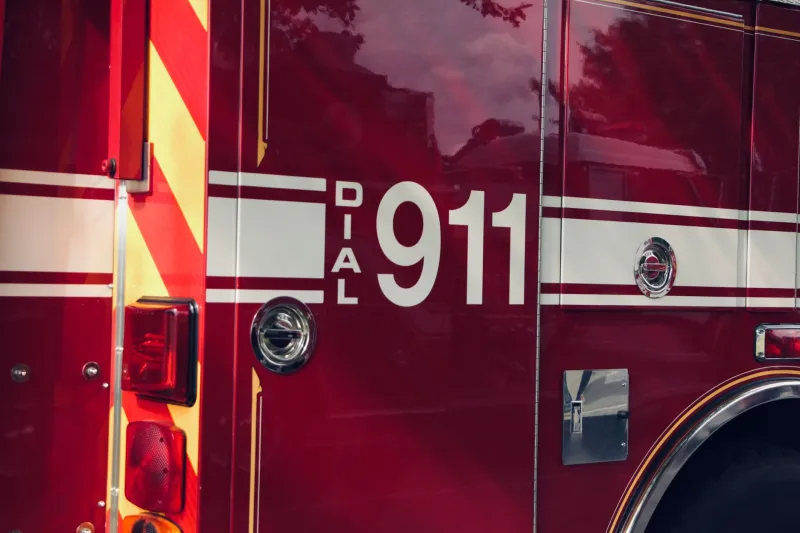
Running a volunteer fire department isn't free, and that's a conversation McCallsburg — like most small Iowa communities — has to keep having. Equipment is expensive. A modern fire truck can cost anywhere from $400,000 to well over a million dollars. Breathing apparatus, protective gear, and medical equipment all carry significant price tags and require regular replacement.
The department relies on a combination of municipal funding, state grants, and community fundraising to keep the lights on. The annual fundraiser — which in a town like McCallsburg doubles as a genuine community event — isn't just a tradition. It's a financial necessity.
Grant programs through the federal FEMA Assistance to Firefighters Grant and USDA rural development funds have helped departments like McCallsburg's acquire equipment they couldn't otherwise afford. But the paperwork burden on volunteer departments is real, and writing grant applications isn't exactly what most people signed up for when they joined.
Stories from the Inside
Ask any veteran volunteer about the calls that stick with them, and the conversation gets quiet fast. There are the saves — the moments where everything clicked and someone went home who might not have. Those memories are the fuel that keeps people coming back.
But there are also the hard calls. The ones where the outcome wasn't good, or where a volunteer showed up and found someone they knew. Rural departments don't have the emotional distance that big-city departments sometimes do. When you respond to a car accident and recognize the vehicle, that's a different kind of weight.
Critical incident stress debriefing and peer support resources have improved in recent years, but the emotional toll on volunteer first responders remains underacknowledged. These are people processing real trauma in between their regular lives — picking up their kids from school, going to work, sitting at church on Sunday morning.
What the Community Can Do
Supporting the volunteer fire department doesn't require a big gesture. It starts with showing up to the fundraiser. It means encouraging young adults in your life to consider joining — the department actively welcomes new members and provides all the training needed. It means voting in support of equipment levies when they appear on the ballot, and understanding what those dollars actually go toward.
Most of all, it means recognizing that the people keeping McCallsburg safe aren't some abstract institution. They're your neighbors. The person who helped you jump-start your car last winter might be the same one dragging a hose toward your house at 3 a.m. if things ever went sideways.
That's not a small thing. It's actually everything.